The 5 Most Common Home Repairs Topeka KS Homeowners Can't Ignore
Kansas climate, freeze-thaw cycles, and aging housing create predictable repair needs. Here's what shows up most often — and how to stay ahead of it.
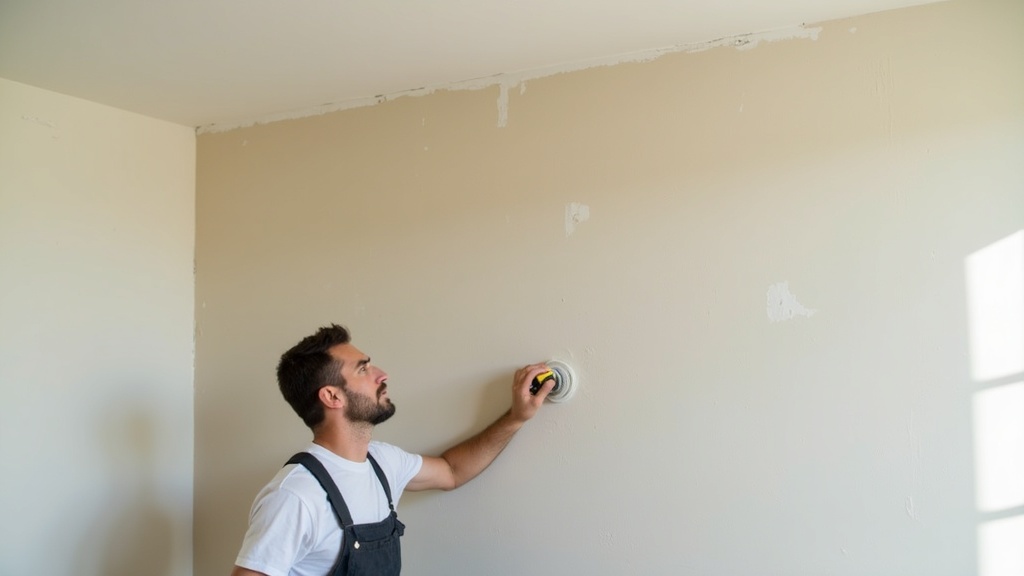
Topeka homes get hit hard from every direction. Winters that dip to -10°F, summers pushing past 100°F, spring tornado seasons that roll through April through June, and high humidity that makes wood swell and paint crack — the climate here is genuinely brutal on residential structures. Add in the fact that a large percentage of homes in Topeka were built between 1920 and 1960, and you've got a recipe for repairs that compound fast if ignored.
The 5 Repairs Topeka Homeowners Face Most Often
1. Failed Caulk and Grout Around Tubs, Windows, and Doors
Why it happens in Topeka: Kansas freeze-thaw cycles are relentless. From October through March, temperatures swing above and below freezing repeatedly — sometimes multiple times in a single week. Every freeze-thaw cycle compresses and expands the substrate beneath caulk and grout. Over 3–5 years, even quality caulk cracks, shrinks, and pulls away. In older homes — especially the 1940s and 1950s bungalows common in College Hill and Potwin Place — original tile work may have been grouted without modern flexible additive. That grout gets brittle over time. Once it cracks, water gets behind the tile, and from there it's a short trip to subfloor rot.
Prevention: Inspect caulk around tubs, showers, windows, and exterior doors every fall. Press your thumb along the caulk line — if it feels hard and brittle, or if it flexes away from the wall, it needs replacing. Use a silicone-based caulk rated for bathroom or exterior use. Reapplying caulk every 3–5 years is far cheaper than replacing a rotted subfloor.
When to call a handyman: If the grout has cracked in multiple places, if you see any discoloration or soft spots in the wall behind the tile, or if the caulk has been failing for more than one season. A handyman can regrout a standard tub surround in 2–4 hours. Waiting longer often means the water damage has already started.
2. Drywall Cracks and Damage
Why it happens in Topeka: Topeka's humidity swings are dramatic. Summers bring high humidity that causes drywall and wood framing to expand. Winters bring dry, heated indoor air that causes them to contract. That seasonal movement creates cracks — especially at corners, along ceiling lines, and around door and window frames. Homes in Oakland and North Topeka with original plaster walls face this even more acutely.
Prevention: Patch small cracks as soon as you notice them — early repairs are a $150–$200 handyman job. Run a humidifier in winter to reduce the seasonal swing in indoor humidity. Keep gutters clear so water doesn't overflow against the foundation and seep into basement walls.
When to call a handyman: Hairline cracks that appear only at corners or seams are cosmetic and easy to fix. Cracks wider than 1/8 inch, cracks that run diagonally from door or window corners, or cracks accompanied by sticking doors could indicate foundation movement — that warrants a professional inspection before patching.
3. Exterior Wood Rot — Fascia, Soffits, Porch Trim
Why it happens in Topeka: Wood rot accelerates in Topeka's high-humidity summers, especially on the north side of homes where shade keeps wood damp longer. Fascia boards, soffits, porch columns, and deck ledger boards are the most common victims. When paint peels — which happens faster in the temperature extremes Kansas sees — bare wood absorbs moisture and rot begins within one or two seasons. Homes with original wood siding in Westboro and Indian Hills are especially vulnerable.
Prevention: Paint exterior wood surfaces on a 5–7 year cycle and inspect caulk around trim every fall. Pay particular attention to wood that's close to the roofline, where water sits after rain. Replace any painted wood section that feels soft when you press on it — soft wood means rot has started.
When to call a handyman: Any time you notice paint bubbling, peeling, or discoloration on exterior trim. Catching rot early means replacing a fascia board ($150–$300) rather than a fascia board plus rotted rafter tails plus damaged soffits ($600–$1,200+).
4. Fence and Gate Damage
Why it happens in Topeka: Topeka's spring storm season (April–June) is severe weather country. High winds, hail, and occasional tornado activity can take out entire fence sections. But the more common culprit is slower: Kansas freeze-thaw cycles heave fence posts out of the ground over years. A 4x4 post set in concrete without a proper footing depth (below the frost line, which in Topeka is around 30 inches) will eventually lean or fall. The aftermath of a bad spring storm is one of the busiest seasons for handyman calls across Auburn Hills, Indian Hills, and North Topeka neighborhoods.
Prevention: Inspect fence posts every spring by pushing firmly at the base. Any movement means the post has started to heave or rot at the ground level — early intervention is a post reset or concrete fill. Make sure gates are properly hung with heavy-duty hinges; sagging gates put stress on the entire fence panel.
When to call a handyman: After any significant storm, or if you notice posts that have moved more than 1–2 inches from vertical. A single post replacement runs $150–$250. Waiting until the post falls means replacing the post plus damaged rails and boards.
5. Gutter and Downspout Failures
Why it happens in Topeka: Cottonwood trees are everywhere in older Topeka neighborhoods — and cottonwood releases massive amounts of fluffy seed debris in late spring. Combined with leaf fall in autumn, gutters in College Hill, Potwin Place, and Westboro can go from clean to fully clogged in a matter of weeks. Clogged gutters overflow against fascia boards and foundations. In Topeka's freeze-thaw winters, water sitting in gutters freezes, expands, and pulls gutters away from the roofline.
Prevention: Clean gutters at minimum twice per year — once in late spring after cottonwood season, once in late fall after leaf drop. Consider gutter guards if you have heavy tree cover. Make sure downspout extensions direct water at least 6 feet from the foundation.
When to call a handyman: If gutters are visibly sagging, pulling away from the fascia, or if you notice water staining on siding below the gutterline. Gutter cleaning and rehang runs $100–$300. The cost of ignoring gutters is a wet basement — easily $5,000–$15,000 to remediate.
Seasonal Maintenance Calendar for Topeka Homeowners
February–March (Pre-Spring)
- • Inspect foundation for frost heave cracks
- • Check basement walls for water seepage
- • Inspect roof for lifted shingles from winter ice
April–May (Spring Storm Season)
- • Clean gutters after cottonwood season
- • Inspect fence posts for winter heave
- • Check exterior caulk after freeze-thaw cycles
- • Inspect sump pump before heavy rain season
June–August (Summer)
- • Inspect wood trim and siding for paint peeling
- • Check deck boards for swelling or raised screws
- • Look for drywall cracks from expansion cycle
September–October (Pre-Winter)
- • Recaulk windows, doors, tub/shower surrounds
- • Clean gutters after leaf drop
- • Repair exterior wood rot before cold sets in
- • Check weatherstripping on doors and windows
A home in Topeka needs consistent attention — not because it's poorly built, but because the climate demands it.
Most of these repairs cost $150–$400 handled early. Left until they compound, the same problems become $1,500–$8,000 projects. Call 877-519-9702 for a straight assessment.
Frequently Asked Questions
Schedule Your Home Maintenance in Topeka
Don't let small repairs become expensive problems. Call Mike Hansen for a free estimate — licensed, insured, and serving Topeka since 2009.